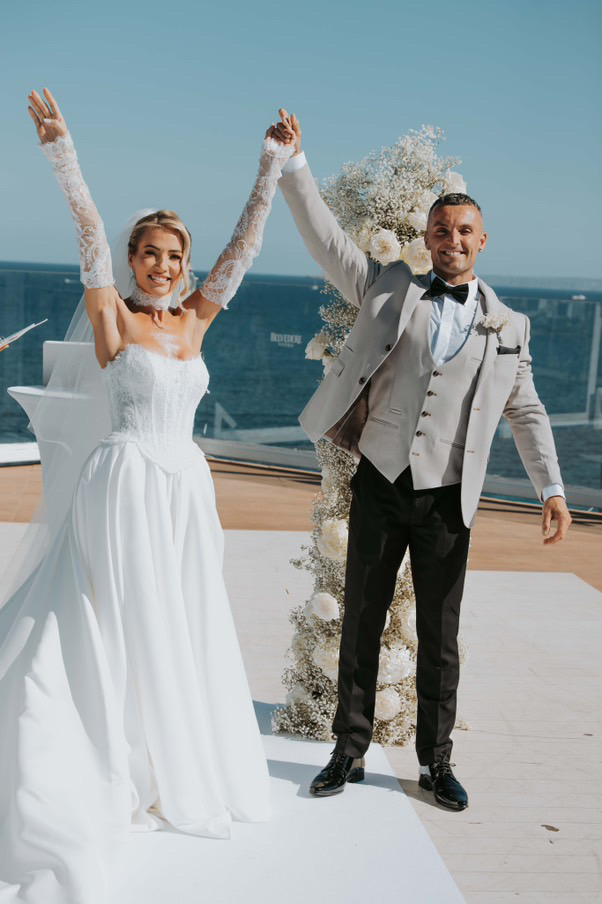
Weddings are steeped in tradition, but not all grooms know exactly what’s expected of them – not until the big day is right around the corner.
So if you’ve just got engaged and are starting wedding planning, it could be useful to brush up on wedding traditions and discuss them with your spouse-to-be.
You don’t need to stick to all the usual traditions of course, but it could be helpful to know a little about wedding etiquette. This can help everything run smoothly on the day, without any last-minute surprises.
The Groom’s Role in the Ceremony
While the spotlight is often on the bride, the groom has a set of responsibilities that are just as important to the success of the day.
Knowing what to do and when to do it can help to ease your nerves and boost your confidence, as well as keeping the ceremony on track.
Where to Stand, What to Say, When to Show Up
Traditionally, the groom stands on the right-hand side of the altar or ceremony space, with the best man beside him.
You should aim to arrive at the venue comfortably before the bride, usually around 30 to 45 minutes before the ceremony is due to begin. This gives you plenty of time to greet guests, check on final details and be ready when the registrar or officiant gives the signal. And of course, it means a few extra minutes to take a breath, gather your thoughts and soothe those pre-wedding jitters.
During the ceremony, the groom is expected to say his vows clearly, exchange rings and sign the register (or its civil equivalent). It’s helpful to rehearse the wording beforehand, especially if nerves might get in the way.
Ultimately though, that’s all you need to do, apart from doing your best to be present in the moment and drink it all in.

Buttonholes, Rings and the Best Man’s Duties
The groom traditionally wears a buttonhole flower (known as a boutonnière) on the left lapel of his wedding suit. This should match the bride’s bouquet or the wedding colour scheme. He’s also responsible for bringing the rings, although this task is usually entrusted to the best man.
Speaking of which, the best man has a lot of other duties on the day, and in the runup to the wedding. He organises the stag do, makes sure the groom gets to the venue on time and usually gives a speech at the reception.
Your best man will also provide valuable moral support during the day, prompting you if you forget where you’re supposed to go or if you’re unsure what happens next. So choose your best man wisely!
Pre-Wedding Groom Traditions to Keep in Mind
Wedding traditions don’t start at the altar. There are several long-standing customs that begin well before the ceremony, and these can set the tone for the celebrations ahead.
The Proposal and the Engagement Party
Traditionally, the groom-to-be proposes by getting down on one knee and presenting an engagement ring. Although of course, proposals can take many forms and the way you (or your partner) chooses to do it will be very personal to you.
In some cultures, it’s also customary to ask for the bride’s parents’ blessing beforehand, as a sign of respect.
After the engagement, many couples hold a celebratory party. While not essential, it’s often seen as the first formal step in announcing the wedding to family and friends. The groom may make a short toast or thank guests for attending.
Stag Do Etiquette and Timing
The stag do (known as a bachelor party in the US and some other countries) is a long-standing tradition, symbolising the groom’s “last night of freedom”. It’s usually organised by the best man.
While it can be a wild weekend, a low-key get-together or something in between, it’s important to schedule it with care. Definitely don’t do it the night before the wedding! Stag dos generally tend to happen a few weeks in advance to avoid any mishaps or head-splitting hangovers that could spoil your big day.
Groom’s Duties On the Day
On the wedding day itself, the groom’s role shifts from planner to participant – or rather, to one of the two stars of the show. However, there are still a few traditional expectations to keep in mind as you enjoy your special day.
Thank-Yous, Toasts and First Dances
The groom is expected to make a thank you speech at the reception. This should include:
- A welcome to all guests
- Thanks to both sets of parents
- Appreciation for the best man and bridal party
- A few heartfelt words about the bride
Later in the evening, the groom joins the bride for the first dance. This is a symbolic as well as a romantic moment, and it also opens the dance floor for the rest of the guests. Once the bride and groom have had their moment, the DJ or best man will ask other guests to join the happy couple on the dance floor.

What You’re Expected to Wear
Wedding attire varies, but tradition calls for the groom to wear a morning suit, tuxedo or formal three-piece suit, depending on the formality of the wedding. You can also choose to get a bespoke suit, if you have something particular in mind.
Colours typically complement the overall wedding theme and bridal party outfits.
The groom may coordinate with the best man and groomsmen, but often chooses distinct details like a different tie, waistcoat or boutonnière in order to stand out.
Optional Traditions You Might Want to Follow
Some wedding customs aren’t essential, but can add a meaningful personal touch to your day. These optional traditions are great ways to personalise your wedding and make it truly unique to the two of you.
Exchanging Gifts with the Bride
It’s become a popular tradition for couples to exchange gifts on the morning of the wedding. This might be a piece of jewellery, a handwritten note, a custom keepsake or something with personal meaning.
While not required, it’s a thoughtful gesture that helps build excitement before you see each other at the altar.
The Morning-of Letter or Note
Another cherished custom is writing a morning-of letter to your partner. This note is usually read while getting ready, offering a quiet moment of reflection before the ceremony.
It can be romantic, funny or heartfelt, but above all, it’s a chance to share your feelings privately before the public celebration begins.
Ultimately, when it comes to wedding traditions and etiquette, you should embrace the ones that matter to you: Don’t be afraid to put your own twist on the rest.