


Planning a destination wedding is all about combining style with the setting, and your suit should be no exception. From sunny white beaches to elegant countryside villas, the right wedding suit doesn’t just complement the location, it elevates the entire experience.
Climate, comfort, and personal style all come into play when you’re choosing the perfect suit for your big day. This guide will walk you through everything you need to consider so you can look your best, feel confident, and dress perfectly for your chosen destination.
Step 1: Picking a Comfortable Fabric for the Heat
This is where many people get it wrong. They choose a suit the same way they would for a UK wedding. Heavy fabrics and a structured fit looks great in photos, however this isn’t going to work for a hot destination as you and your groomsmen will spend the entire day overheating. Start with the fabric. Everything else comes after.
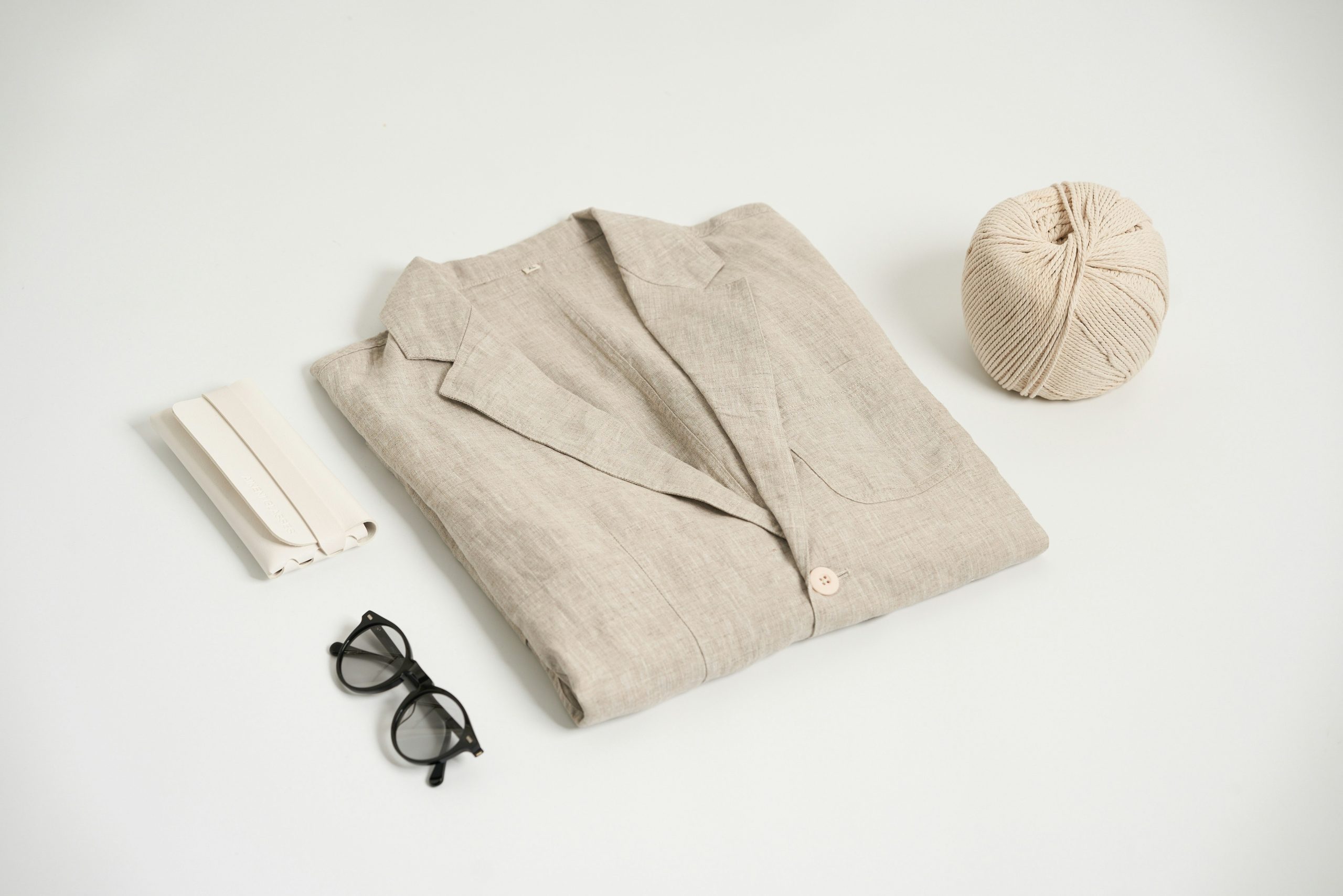
Linen Wedding Suits
Linen works because it breathes. Air moves through it and heat doesn’t get trapped. You don’t feel like you’re melting away by midday.
Yes, it creases, however a linen suit isn’t supposed to look perfectly pressed after hours in the sun. It’s meant to look relaxed. If your wedding is on a beach or outdoors, linen makes sense. You stay cooler, and the slightly softer look fits the setting.
Cotton Wedding Suits
Cotton sits between linen and heavier wool. It’s lighter than a traditional suit but holds its shape better than linen. So if you want something that looks a bit sharper but still works in the heat, this is a safer option.
A cotton wedding suit won’t keep you as cool as linen in extreme temperatures. But for warm evenings or shaded venues, it does the job without feeling too casual.
Step 2: Choosing a Colour Palette
Dark colours and direct sunlight don’t mix. You’ll feel the heat within minutes. Lighter shades reflect heat and look much better in a destination setting.
Beige, tan, soft green, even muted peach tones work because they match the environment and the vibe. Think about the setting. Sand, sea, greenery. Your suit should sit naturally in that scene.
For example, don’t choose a dark navy suit for a beach wedding in Spain. By the reception, you’ll have taken the jacket off and rolled your sleeves up. The photos won’t match the vibe. However, it would be a different scenario with a lighter coloured suit.
If you’re unsure on what colour to choose, start simple. A light beige or tan suit is hard to get wrong. If you want something made around your exact fit and setting, you can design a bespoke destination wedding suit.
Step 3: Deciding on a Two-Piece Suit or a Three-Piece Suit
When choosing between a two piece suit or a three piece suit it isn’t just about style. It’s about how long you want to stay comfortable. We have a range of different suits to hire or purchase, so there’s plenty of choice.
Two-Piece Suit
Jacket and trousers, that’s it. With less layering comes less heat, ideal for warmer climates. You can take the jacket off later and still look put together. For most destination weddings, this is the practical choice, making it a far more comfortable option when you’re dealing with sunshine, humidity, or long days spent outdoors.
Whether you’re on a beach, in a vineyard, or moving between ceremony and reception locations, a two piece suit strikes the right balance between style and ease. It travels well and doesn’t feel overly formal. If you’re looking for something that works from day to night without fuss, this is the option that delivers.
Three-Piece Suit
Add a waistcoat to your wedding suit and it changes things. It looks more formal. More structured. But it also adds another layer. If your ceremony is short and indoors, a three piece can work. You’ll get that sharper look for photos.
But if you’re outside for hours, you’ll feel the extra weight when wearing a three piece suit. Most people end up taking the waistcoat off anyway. If you’re already dealing with heat, think carefully before adding more fabric.

Step 4: Finding the Perfect Footwear and Accessories
This is where small decisions make a big difference. Heavy leather shoes on sand or hot pavement don’t work. You’ll feel every step. Loafers or lighter dress shoes are easier. They look right and won’t weigh you down.
Accessories should stay simple. A tie might not even be necessary depending on the setting. Open collar works in a lot of destination weddings. One mistake people make is overdoing it. Pocket squares, ties, pins, layers. It adds up fast, especially in the heat. Pick one or two details and leave it there.
Step 5: Packing Your Suit Ready for the Big Day
You can pick the right suit and still ruin it in transit. Folding it into a suitcase without thinking about it leads to creases you can’t fix easily at your destination. Use a proper suit bag if you can. If not, fold it carefully and keep it separate from everything else.
As soon as you arrive, hang it up. Let it breathe. Most light creases will drop out on their own, especially with linen. If your hotel has a steamer, use it. If not, hanging it in the bathroom while you shower can help. Don’t leave it until the morning of the wedding. That’s when problems show up.
Key Takeaway
The best destination wedding suits are the ones you don’t have to think about once you’re wearing them. You’re comfortable, you’re not adjusting anything, and you’re focused on the day. At Groom we have a wide range of suits to hire
If you just want help figuring it out, find the perfect destination wedding suit, book an appointment with our team.
This works best when you plan for the environment first and style second. If you ignore the heat, the suit won’t hold up.


