


Received a wedding invitation and the dress code is given as ‘black tie’? If you’ve not been to a black tie event before, then you’ll need to know what this means and crucially, what to wear.
This isn’t the kind of dress code you can improvise with, so you need to dress appropriately or there’s a risk of feeling out of place.
We’re here to help, with a handy guide to black tie dress codes covering everything you need to know. This includes black tie vs. white tie and what ‘black tie optional’ means.
Black Tie vs White Tie: What’s the Difference?
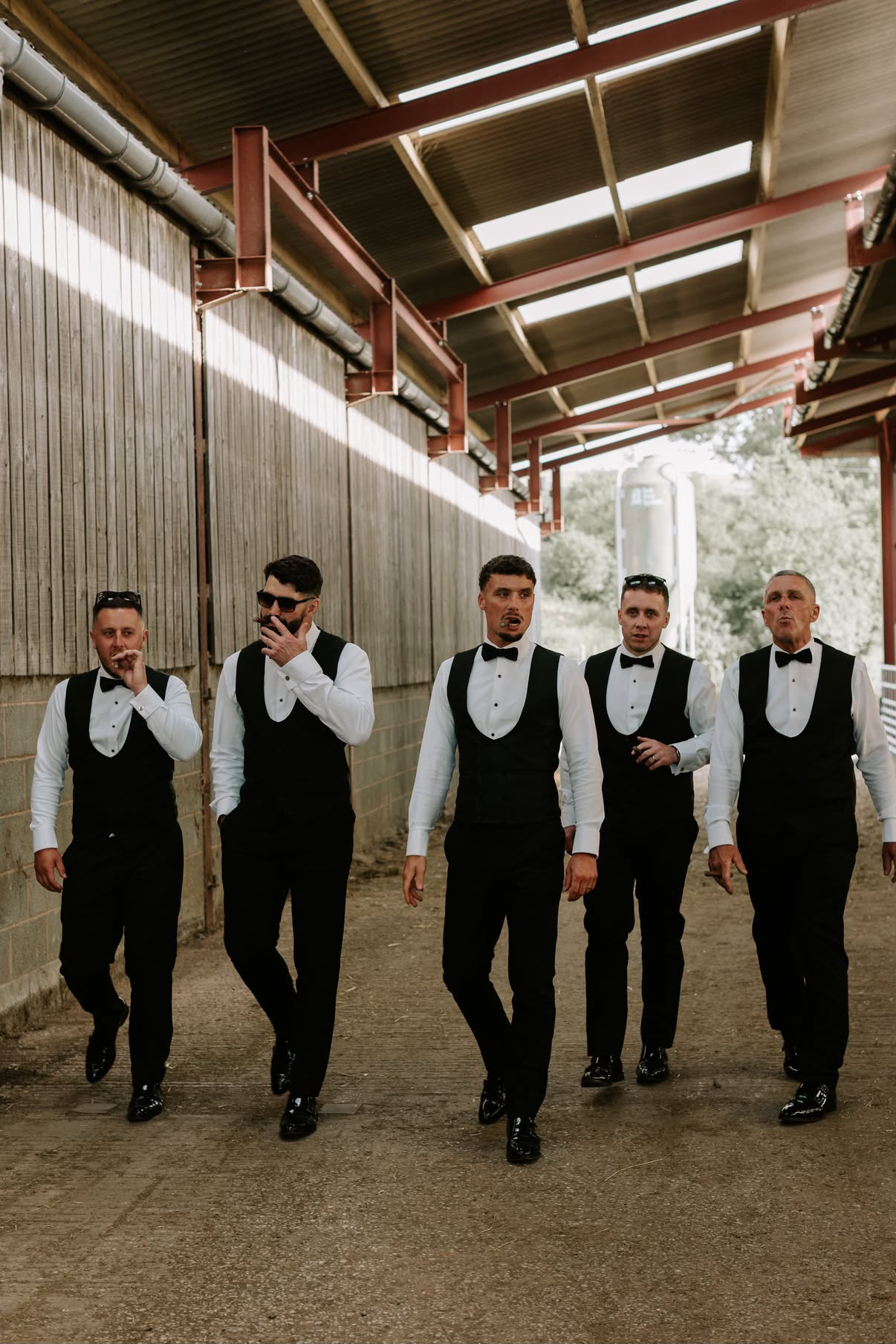
Black tie is a formal evening dress code. It usually calls for a tuxedo, although you can also wear a suitably formal dinner suit.
It usually means:
- A black or midnight blue dinner jacket – possibly with satin lapels
- Matching trousers
- A crisp white dress shirt
- Polished black dress shoes or patent leather shoes
- A black silk bow tie, or a black tie if you prefer.
When considering black tie vs. formal, remember that black tie is a very specific dress code. Formalwear is a much broader category, and wouldn’t always be appropriate for a black tie event.
And while black tie is formal, there’s actually a level above it – and this is white tie. This refers to full evening dress, usually meaning a black tailcoat for men and a full-length evening gown for women. It’s as formal as dress codes get.
What Does “Black Tie Optional” Mean?
No-one likes an ambiguous dress code, but unfortunately, it isn’t uncommon to see ‘black tie optional’ on an invitation. But what does this mean? Are you free to wear what you want, or does it mean that you really should be buying or hiring a tux?
The true ‘black tie optional’ meaning can be difficult to interpret, but for weddings it generally means that the couple would prefer a formal dress code but don’t want to pressure their guests if they aren’t comfortable or can’t afford the extra expense.
As for what you should wear, it’s probably best to err on the side of formality. You won’t look out of place in a tux or a dinner suit, so go for it if you feel like dressing up.
Black Tie Rules: Dos and Don’ts
Here are some handy etiquette tips to remember as you pull your look together.
Do:
- Wear a tuxedo – it’s the safest and arguably the most stylish choice for a black tie event
- Get a good fit – book in more than one fitting if it’s a really special event
- Wear a bow tie – it’s a must-have for a black tie dress code
- Stick to a crisp white dress shirt – ideally one with a piqué/Marcella front or fine pleats, a turn-down collar, and French double cuffs for cufflinks.
Don’t:
- Wear a coloured or patterned shirt
- Go too casual with your footwear – stick to highly polished dress shoes
- Wear loud socks or novelty accessories
- Fasten the bottom button of your tuxedo jacket – it can potentially interfere with the drape and clean lines of your jacket
When Is Black Tie Typically Required?
Black tie attire is almost exclusively worn for evening events, such as:
- Weddings – especially those in grand historic venues or with a very formal theme (or in some cases, simply because the groom loves the idea of wearing a tux!)
- Galas, balls, charity events and fundraisers
- Red carpet events, such as entertainment industry events, opening nights and award ceremonies
- Exclusive club events, milestone celebrations and high-profile parties and dinners.
Accessories for Black Tie
Finding the right black tie suit is obviously very important, but accessories are just as crucial for pulling off a suave, sophisticated and polished look.
There are two that you simply can’t miss out. These are the bow tie, and the shoes.
A self-tie bow tie is preferable, but you can get away with a pre-tied one if you can’t get the hang of it. A fabric like silk, satin or even velvet is best depending on what matches your suit, and it should always be in black.
As for footwear, there are two main choices – black patent leather Oxford shoes or another style of polished dress shoes. The look is finished with a pair of classic cufflinks, which should just be on display as the shirt cuff peeks out of the jacket sleeves.
You can also consider a waistcoat if you’re going for a three-piece suit, but this is down to personal preference.
Key Takeaways
- Black tie is a formal evening dress code, typically requiring a tuxedo or dinner suit
- Key accessories include a crisp white shirt, polished leather shoes, a bow tie and cufflinks
- White tie is more formal than black tie – in fact, it’s the most formal dress code you can get
- ‘Black tie optional’ means formalwear is preferred but not strictly required
- Black tie is most common at weddings, galas, balls, charity events and other high-profile evening celebrations.

